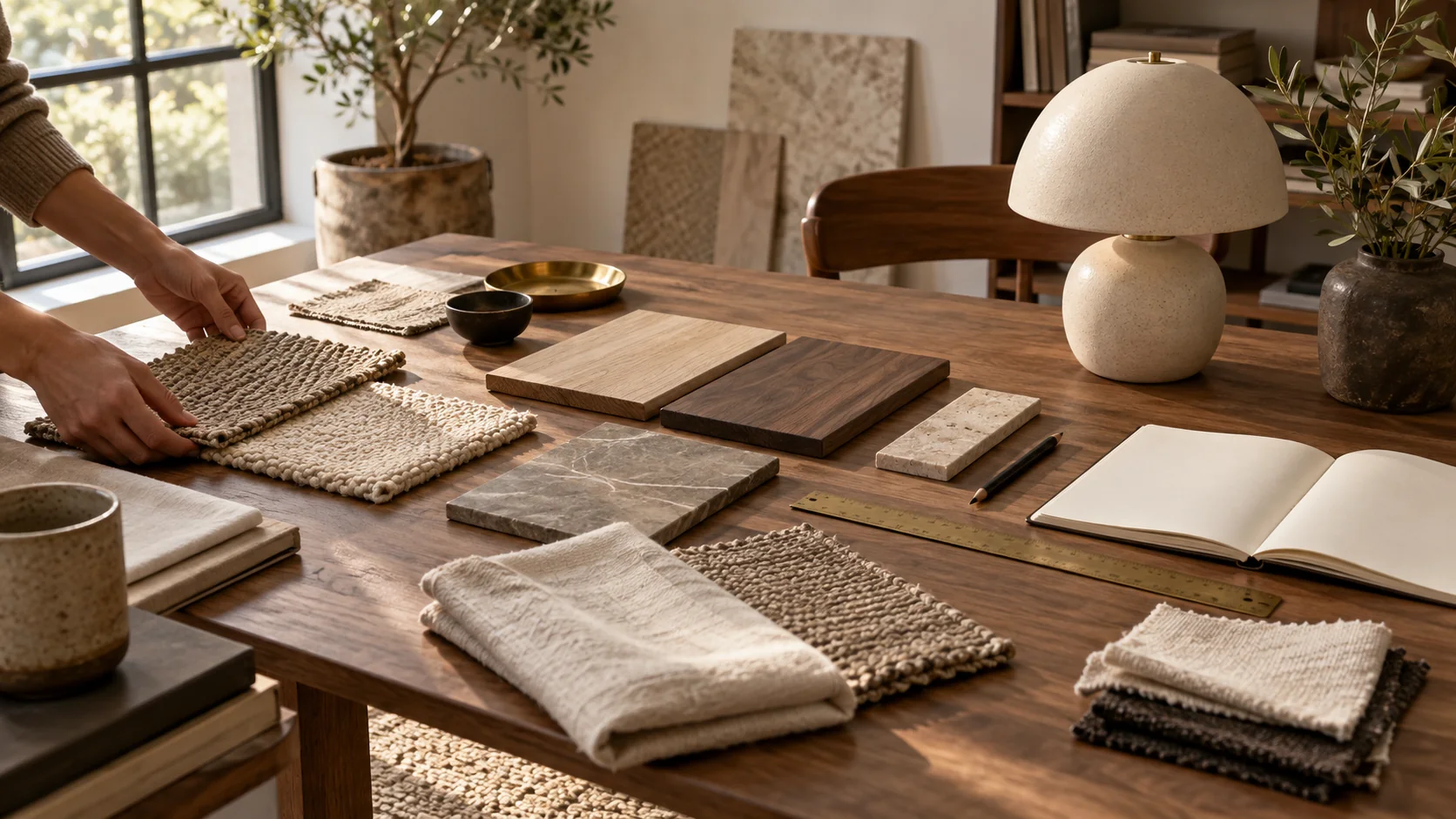
Our process
How we choose
We start with the room problem, then look for pieces whose scale, material, and upkeep make sense for the way you live.
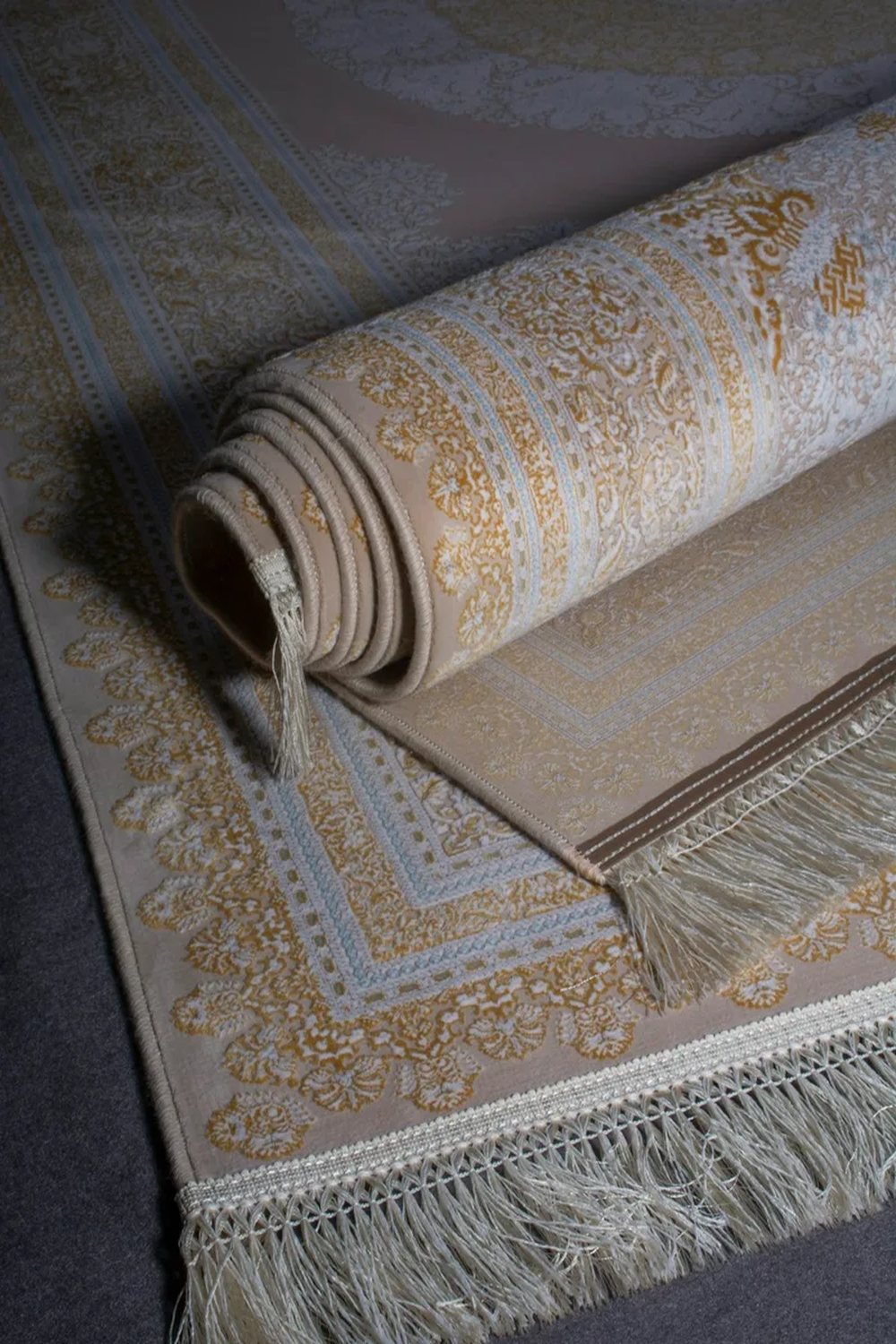
01 / Purpose
The room writes the brief
A dining rug needs enough coverage for chairs to pull back. A swivel chair earns its footprint when it serves two sightlines. A pendant should light the table without overpowering it. We define that job before we look at style.
We use first-party details
Dimensions, materials, finishes, pile height, and care instructions come from the maker or retailer listing. If a detail is missing, we tell you what to confirm instead of filling the gap ourselves.
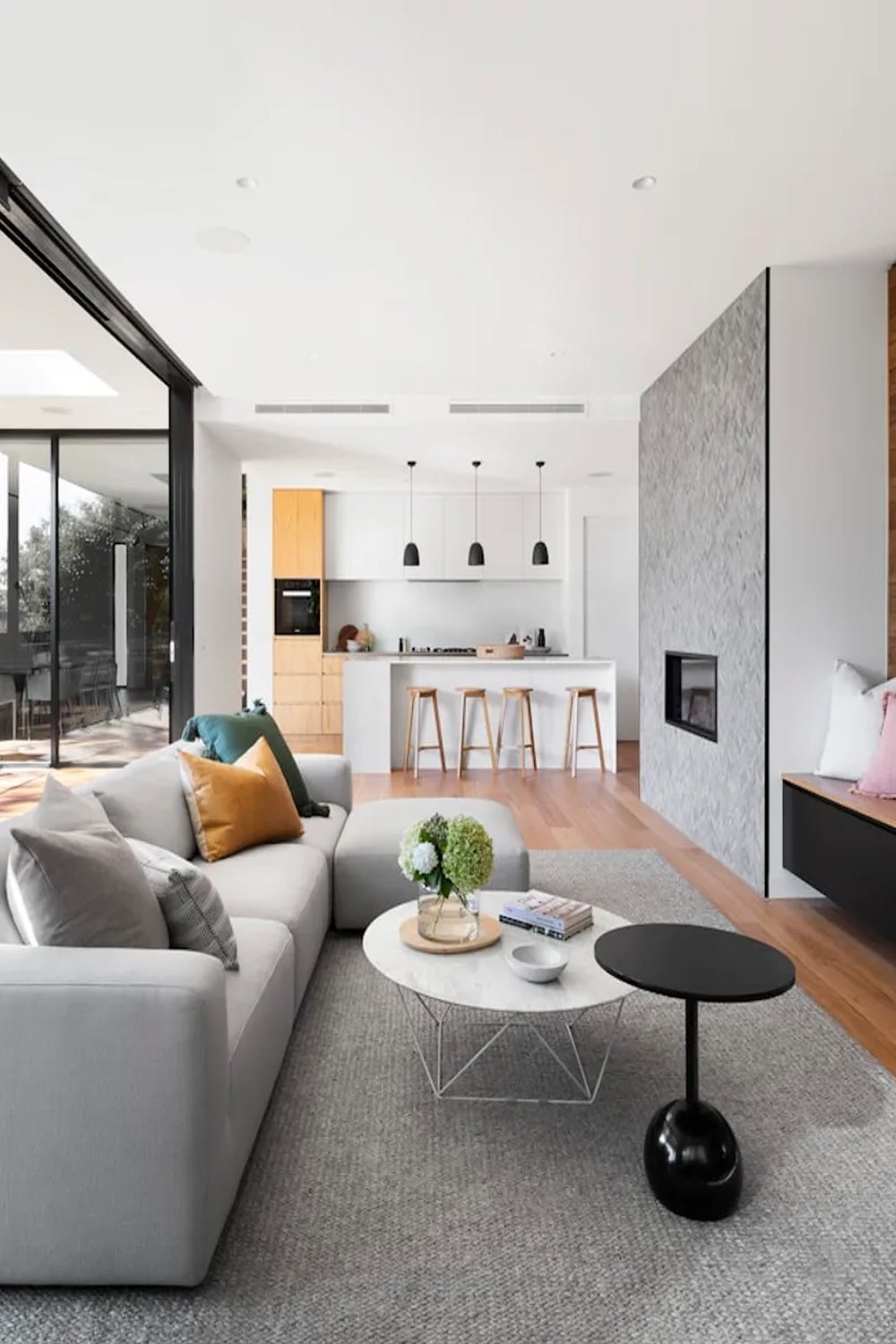
02 / Context
Context changes the answer
A rug can be beautiful and still be too small for the seating. A deep chair can feel generous to one person and awkward to another. We consider placement, clearance, undertones, existing furniture, and the amount of care a material asks of the household.
We show the compromise
Natural fibres can shed or stain. Looped upholstery can snag. A metal dome directs light down but gives less light to the rest of the room. If a limitation could change your decision, it belongs beside the recommendation.
We separate research from testing
Most selections begin with published specifications and room planning. We use the word “tested” only for a piece we have handled and evaluated ourselves.